
Portfolio 5 – Space Mission Patches
A series of space mission patches to raise public awareness about spaceflight research and the development of new technologies
Intended Impact
The intended impact of these mission patches was to spark public interest, engage youth, and encourage shifts in public policy and governmental funding through heightened visibility of spaceflight research.
By increasing focus on this research field, my art aims to increase understanding of muscle loss from zero gravity and aging, lead to development of treatments for muscular dystrophies and diabetes, and provide the knowledge needed for human deep space exploration.
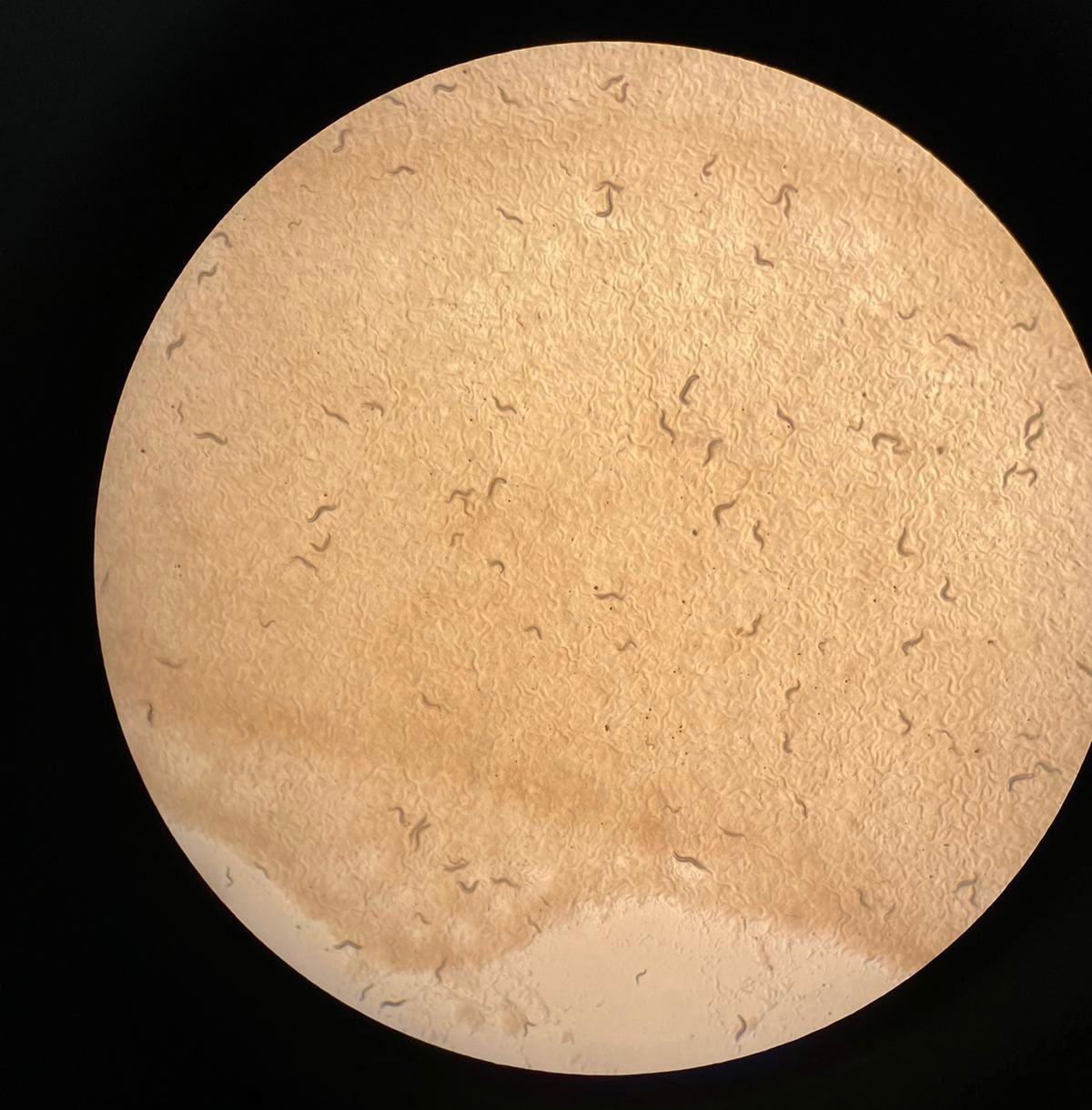
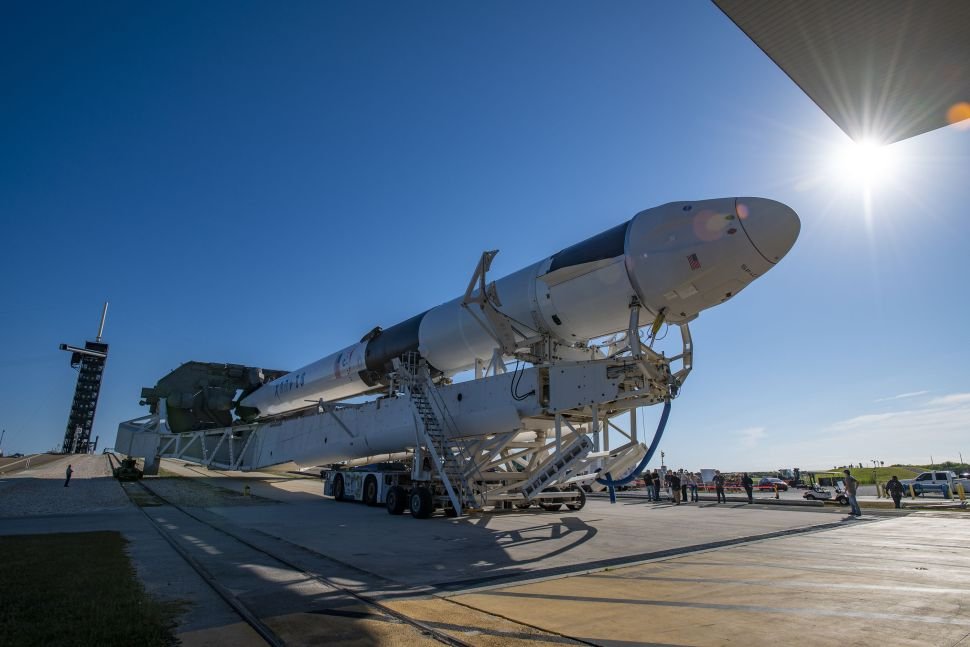
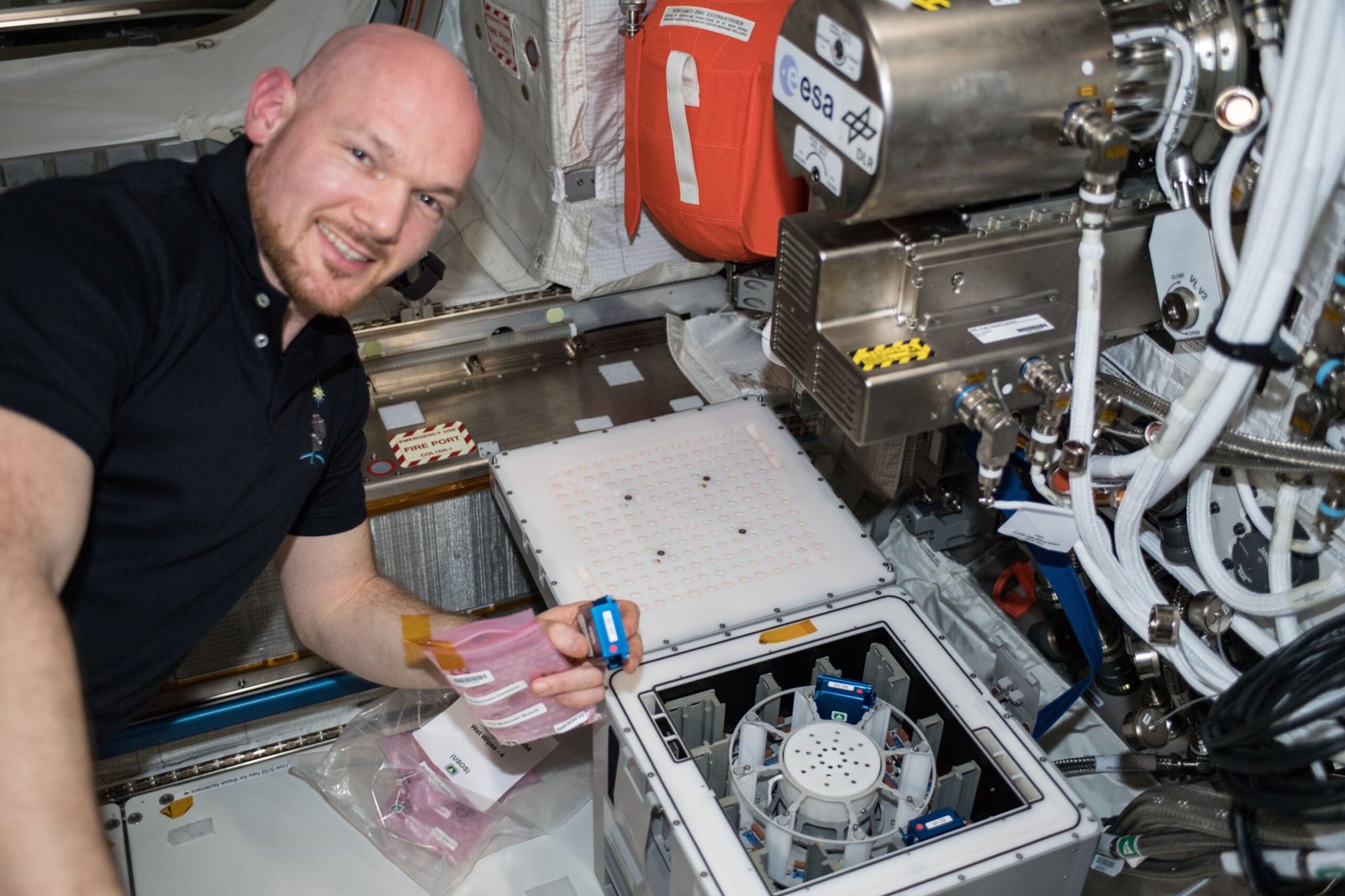
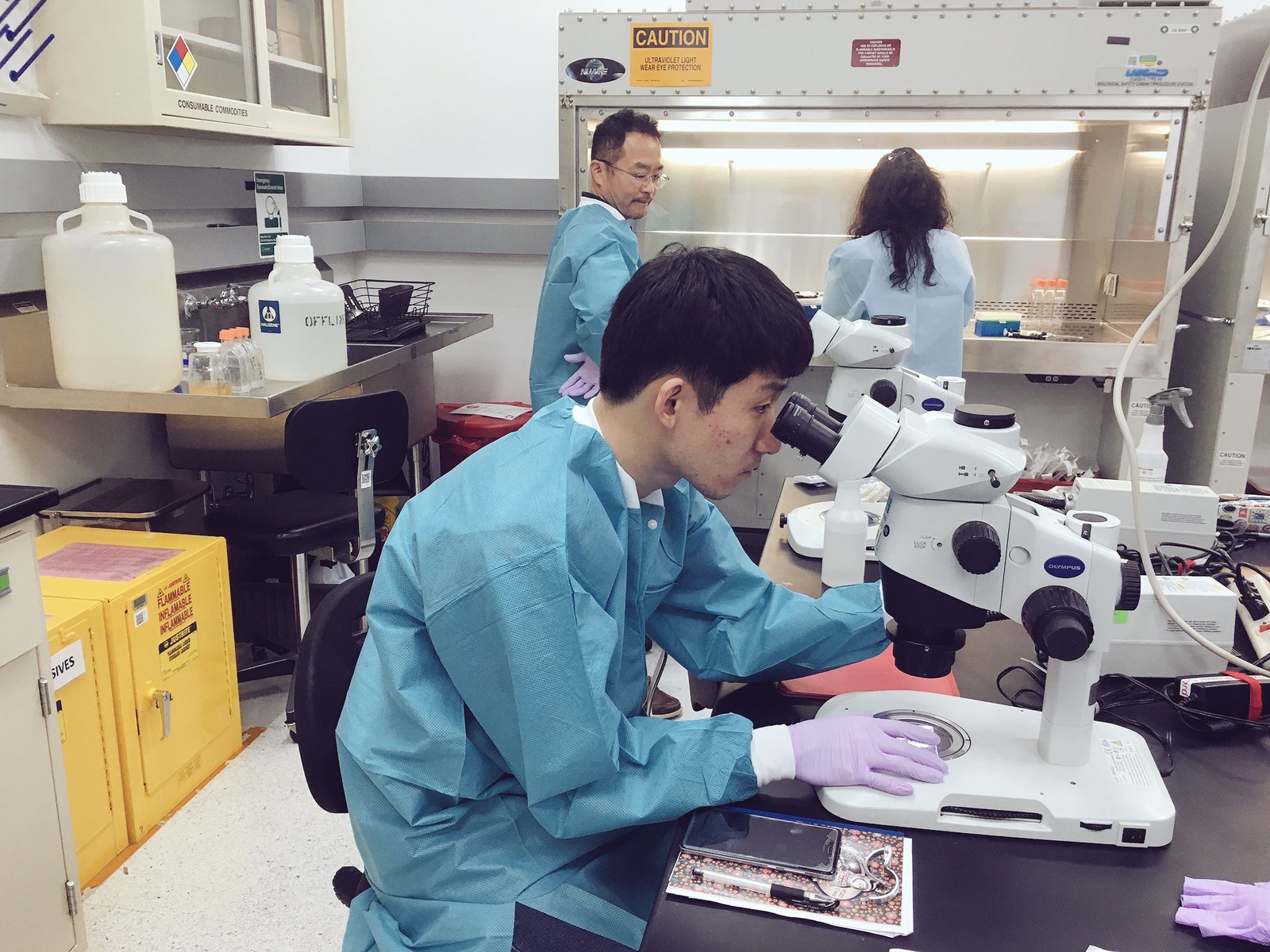
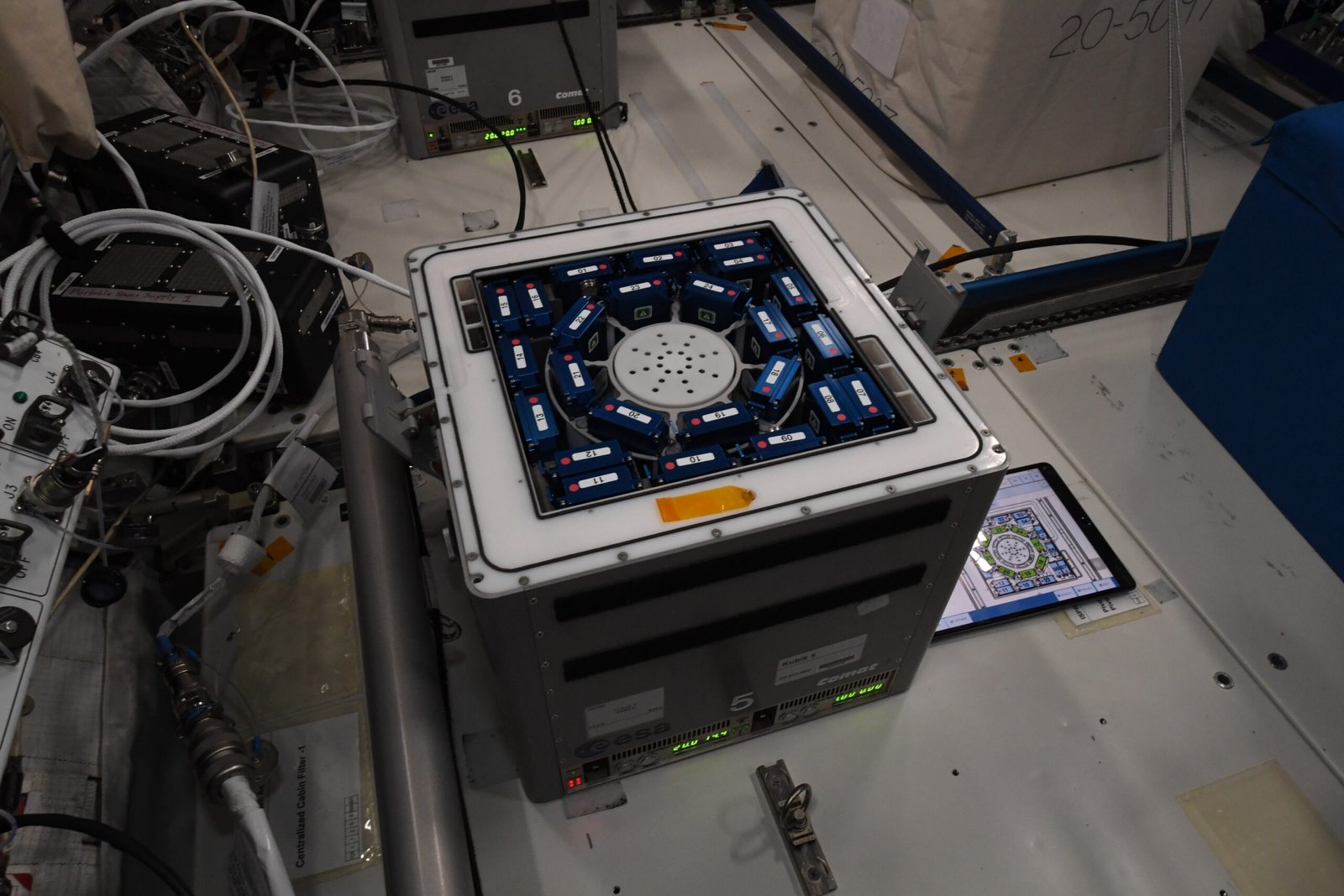
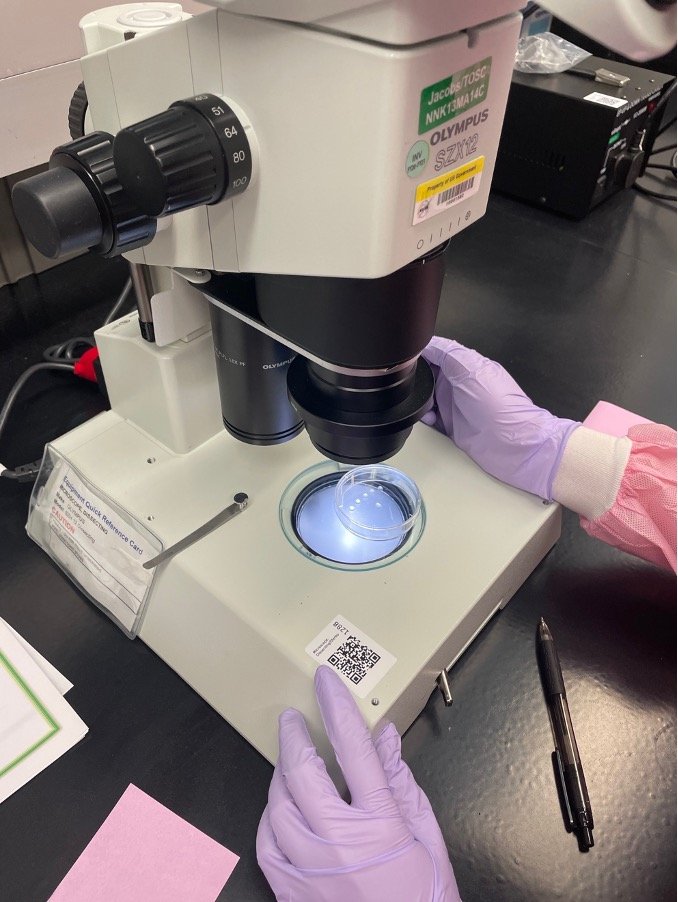
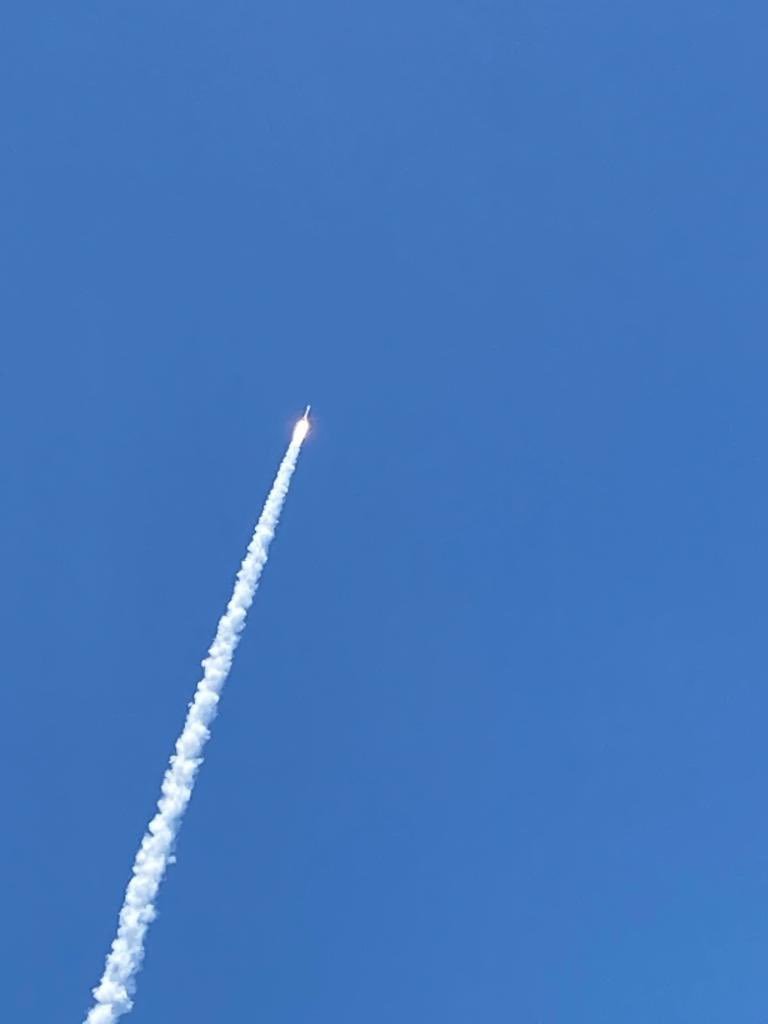
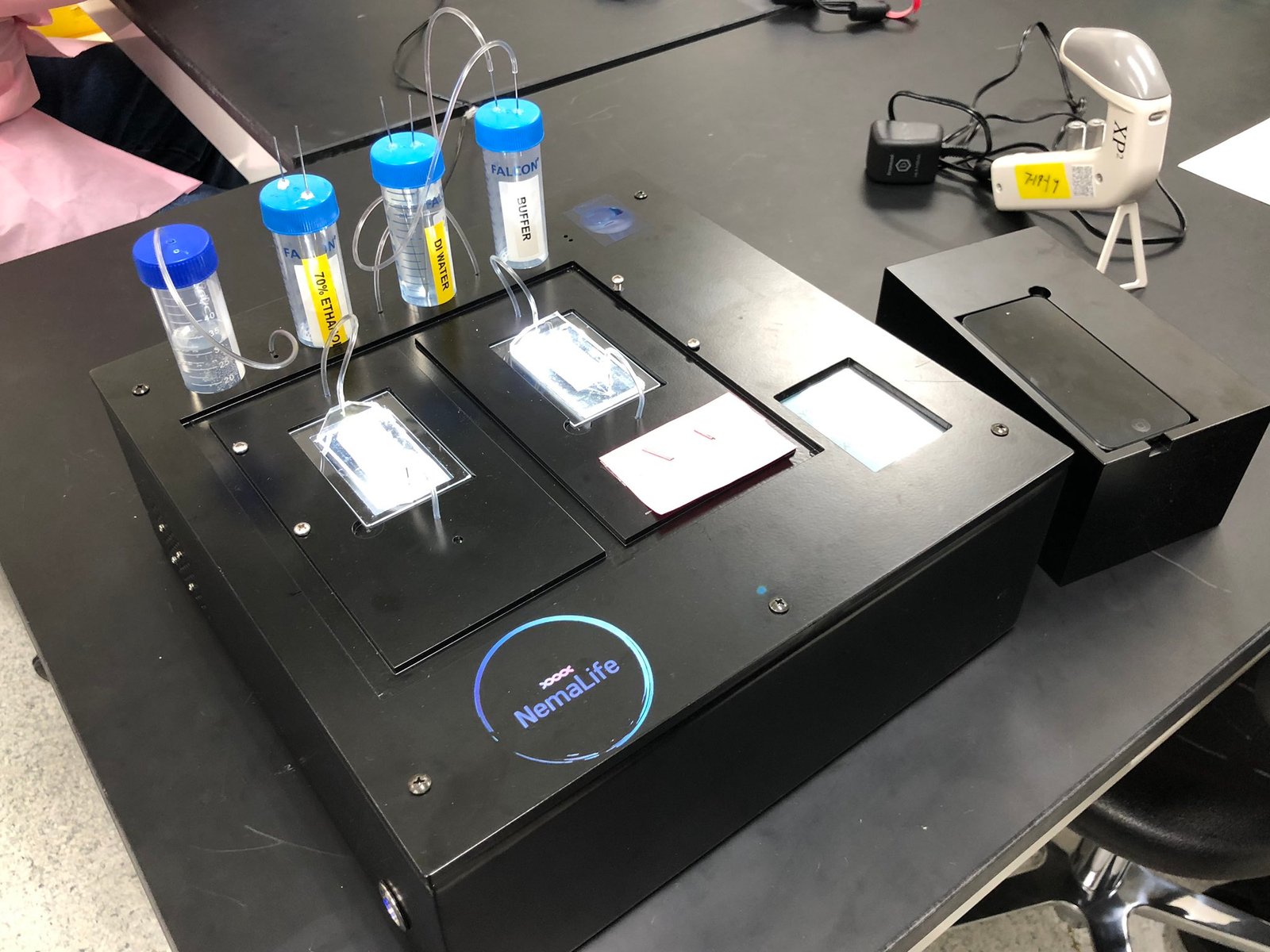
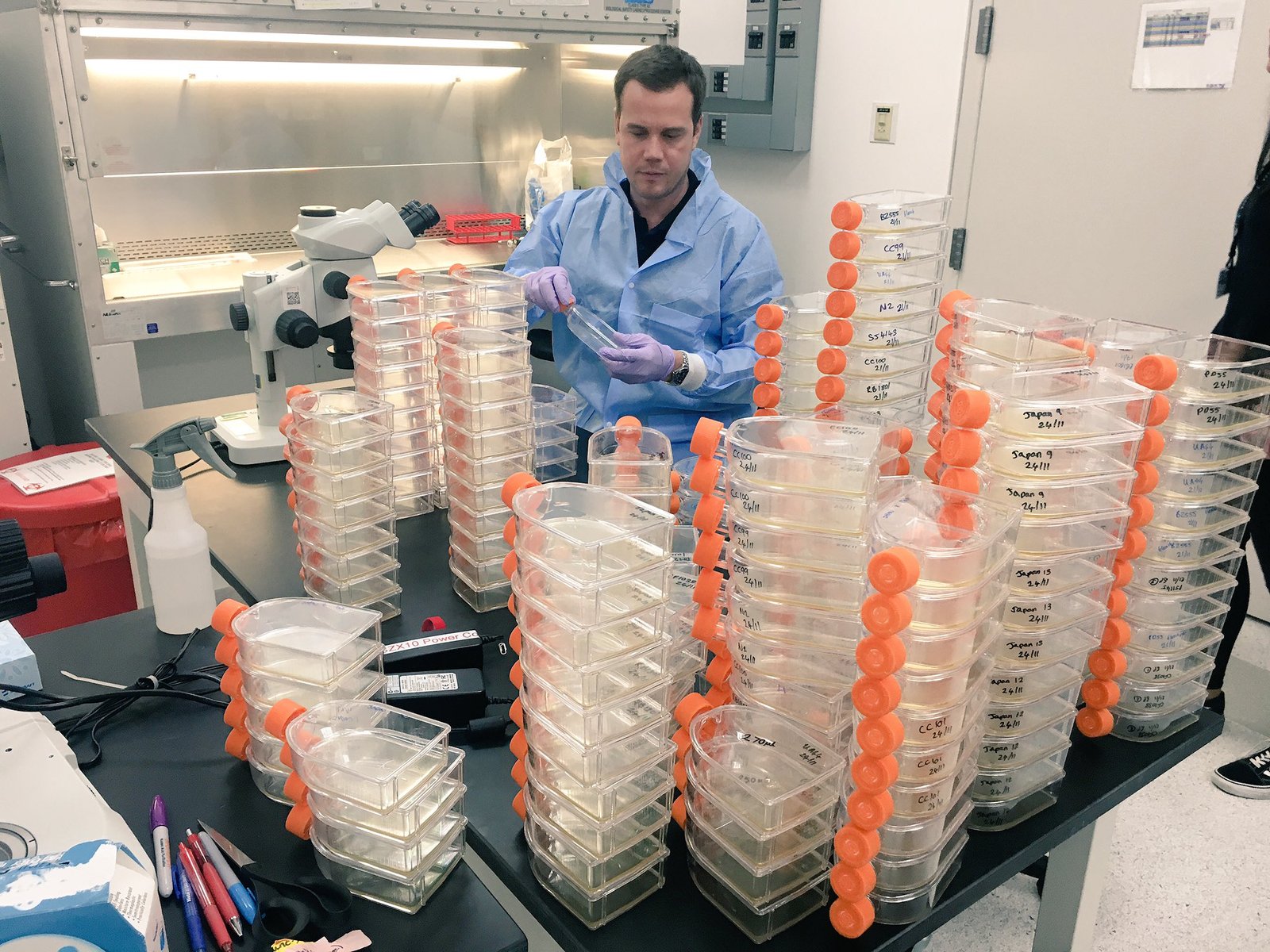
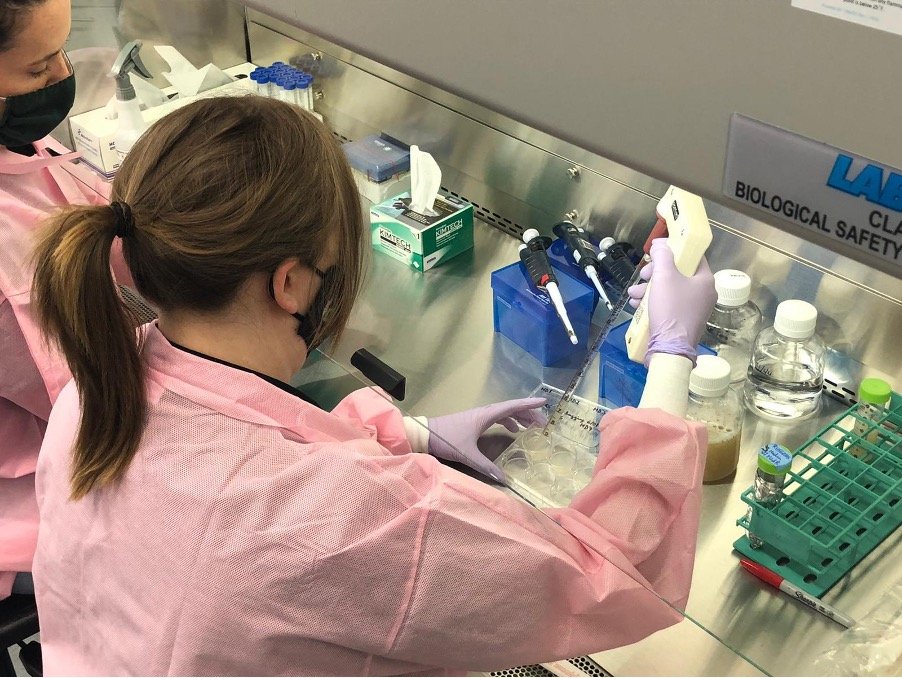
Image credit: Twitter @worms_space
Creative Process
I created space mission patches for a series of experiments that send C. elegans worms into space for research in collaboration with laboratories from Nottingham, Exeter, and Lancaster Universities, as well as the UK and European Space Agencies.
To begin this creative process, I had multiple in-depth discussions with the researchers designing the experiments to understand the details and intended outcomes. I researched mission patches worn by astronauts on previous historical space missions to set the overall layout of the patches, and looked at space suit designs to get a more in-depth understanding of the aspects to include. I created sketches visually depicting the goals of the experiments, selecting the ones that most clearly evoked an understanding of the goals of each mission. I then made detailed pencil drawings and integrated real imagery of space stations or celestial bodies, along with flags of the countries involved in the research missions and logos of the participating space agencies and universities to reference the involved organizations.
Each logo highlights a different aspect of the experiments on muscle loss and aging.
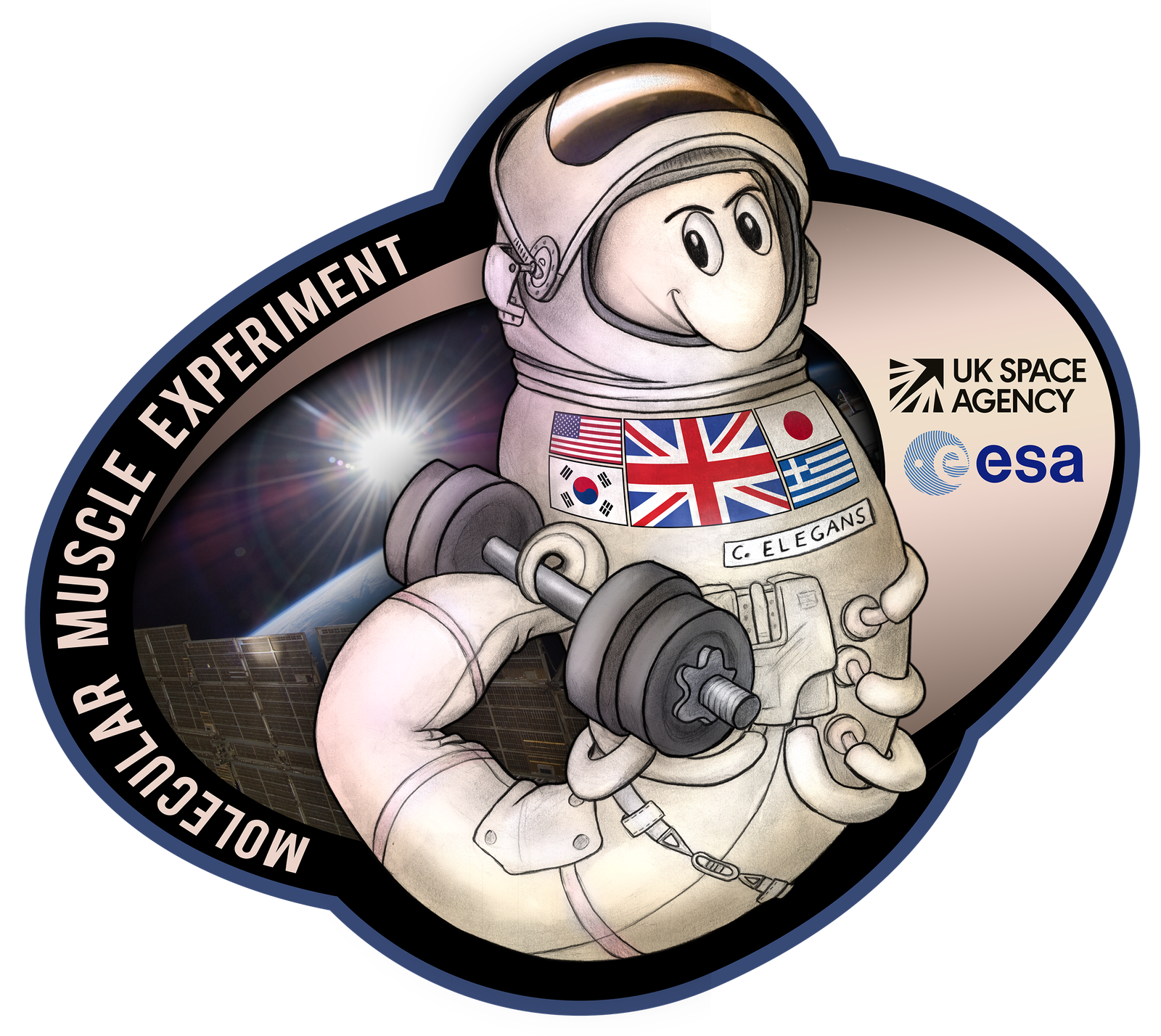
Molecular Muscle Experiment 1: An experiment to understand changes in muscle mass during spaceflight – illustrated by a dumbbell being lifted by a worm in a spacesuit, while the background shows a real photograph of Earth and the International Space Station.

Molecular Muscle Experiment 2: Research on whether hydrogen sulfide (H2S) can improve neuromuscular and mitochondrial health – illustrated by the H2S molecule, neurons, and mitochondria in the drawing

Fluorescent Deep Space Petri-Pod: A mission to test new technology that enables space biology experiments and fluorescent imaging of live C. elegans and mammalian cells to bring research to deep space – this piece was inspired by real images of fluorescent worms (bottom left) and a satellite system for research missions (bottom right), combined with real images of the Moon, Mars, and the International Space Station depicted in the background.
Achieved Impact
The cornerstone of the team’s outreach efforts: The pieces were used in the Astrobiology publication “Molecular Muscle Experiment: Hardware and Operational Lessons for Future Astrobiology Space Experiments” to communicate with researchers, used by the UK Government (Innovate UK, UK Space Agency, and the Biotechnology and Biological Sciences Research Council) in publications aimed towards informing the public, as well as international media like a BBC video feature, which reached an estimated 41 million viewers.
Extended reach to high-level government institutions and policy makers: The UK Science Minister, UK Space Agency, European Space Agency, and Biotechnology and Biological Sciences Research Council program managers expressed excitement about the patch designs. The outreach campaign received the attention of the British Parliament and Prime Minister as well.
Widespread youth engagement: The patches were distributed to ~10,000 primary and secondary school children in the UK through science fairs and school visits, garnering heightened participation and excitement from younger audiences.
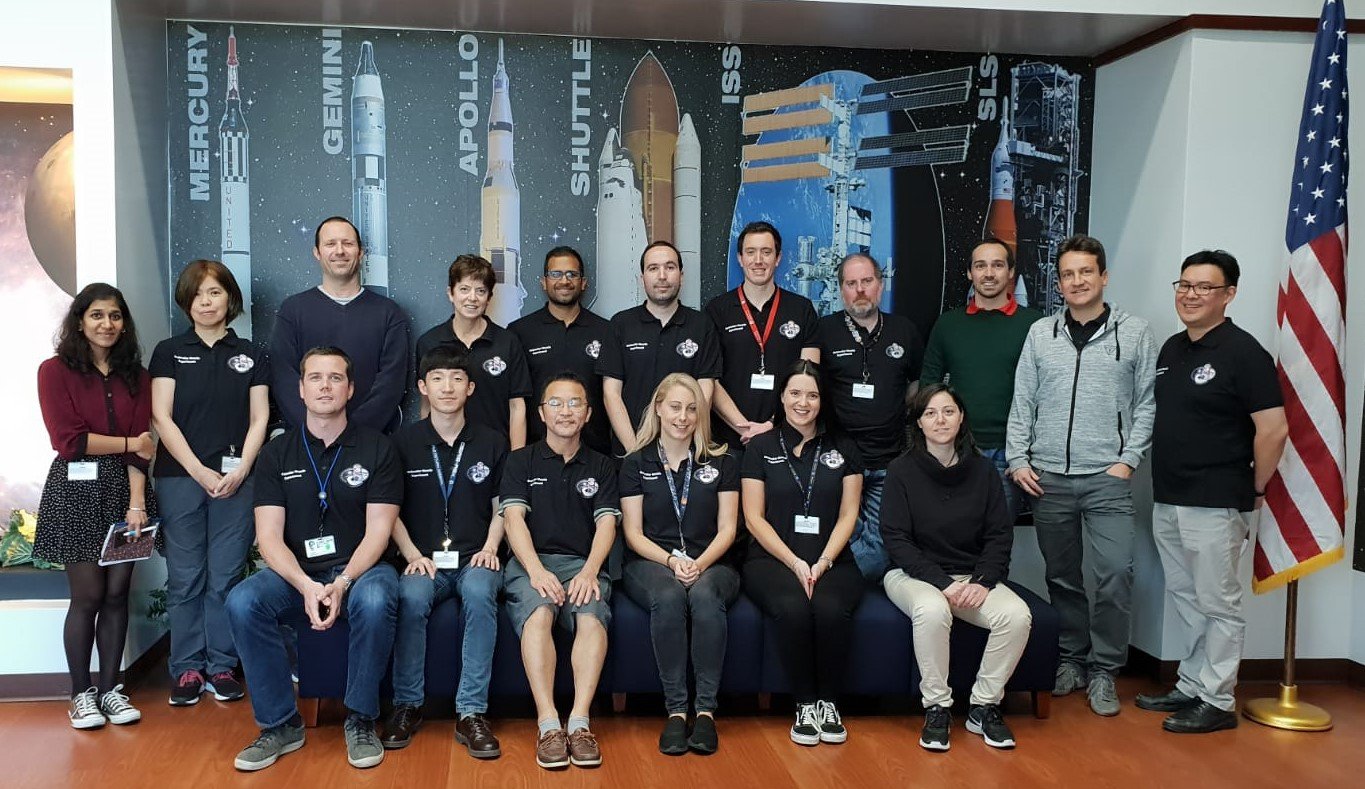
Group picture of Molecular Muscle Experiment 1 team wearing the space mission patch. Image credit: Twitter @worms_space
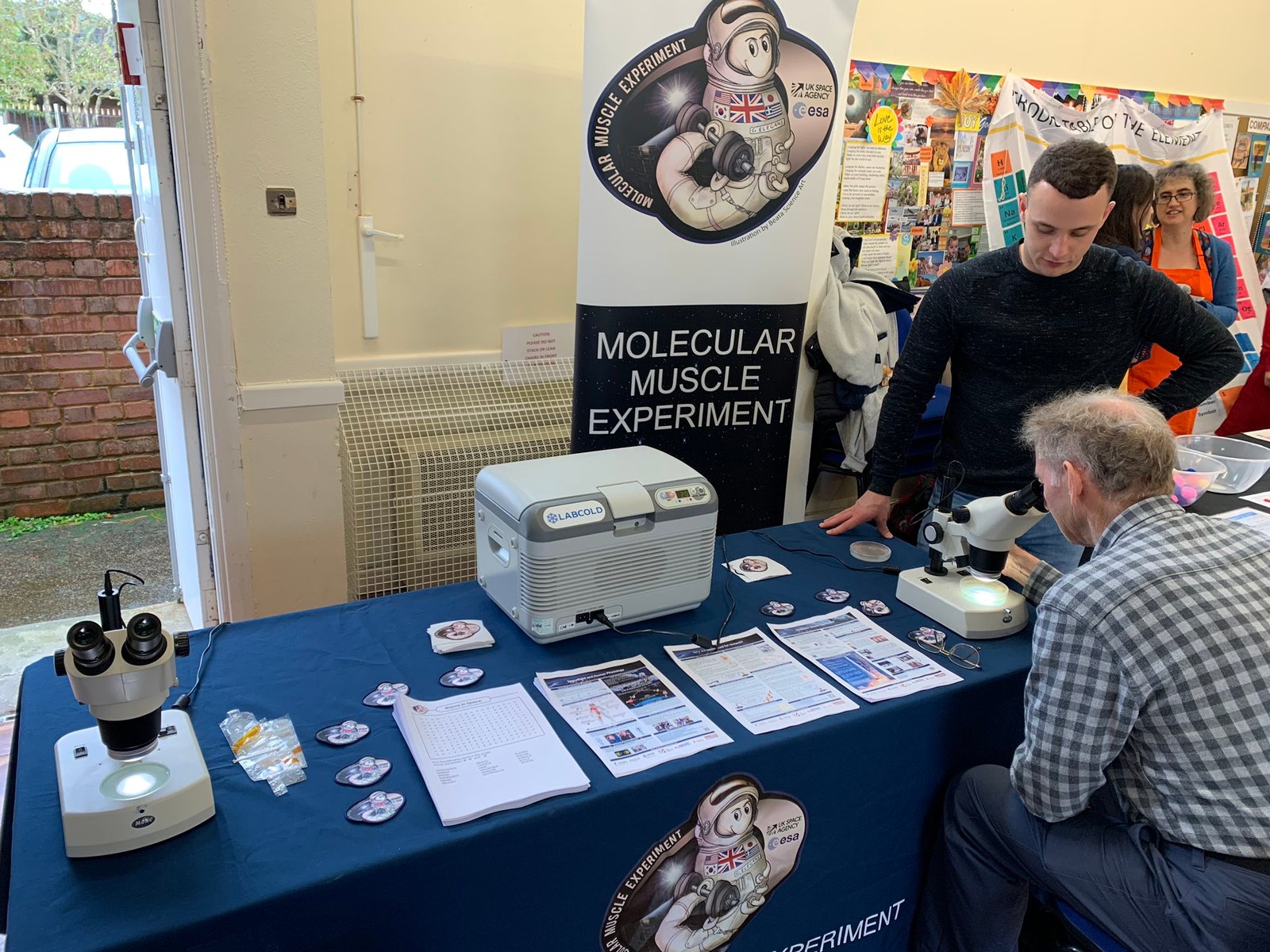
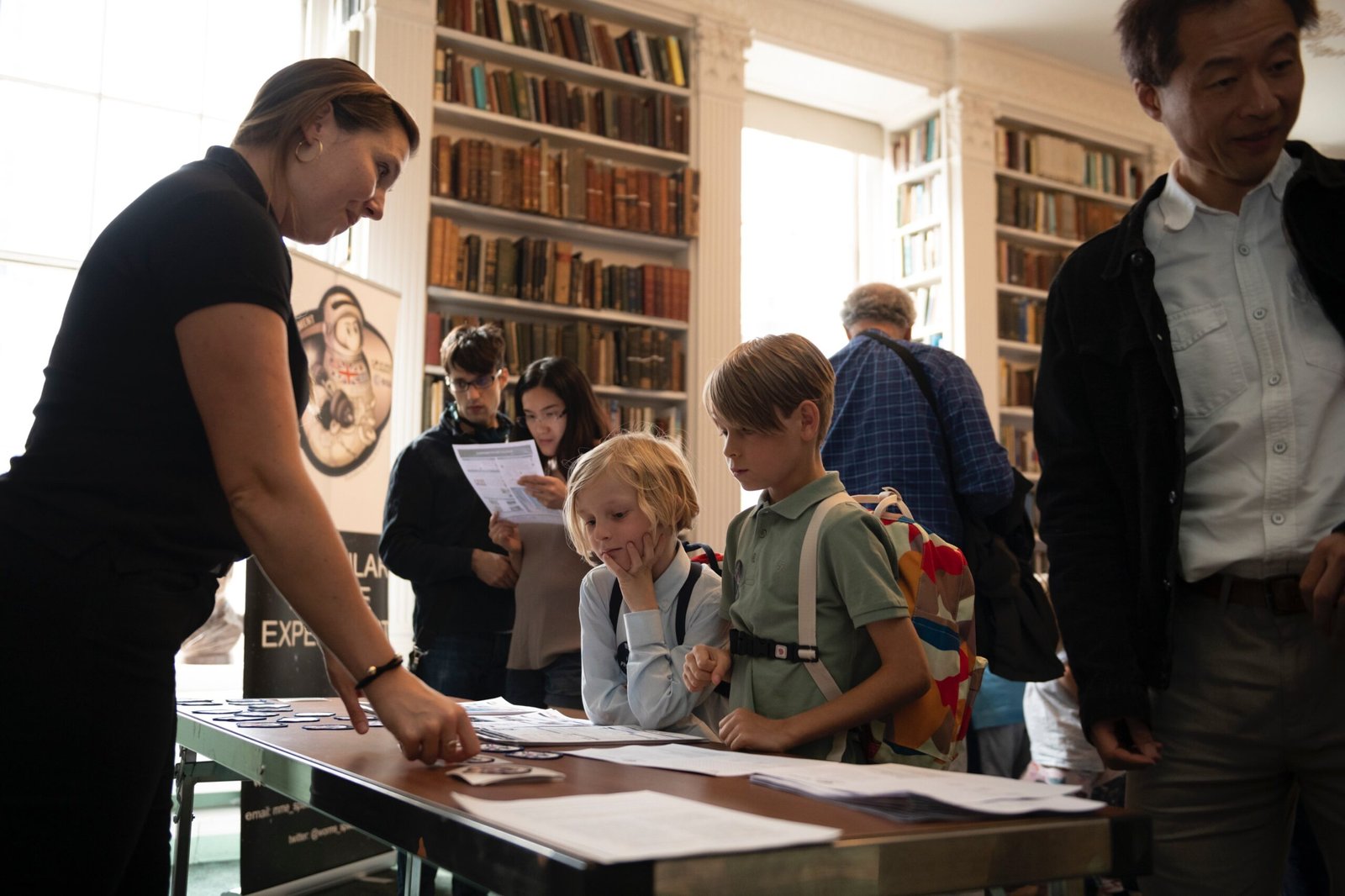
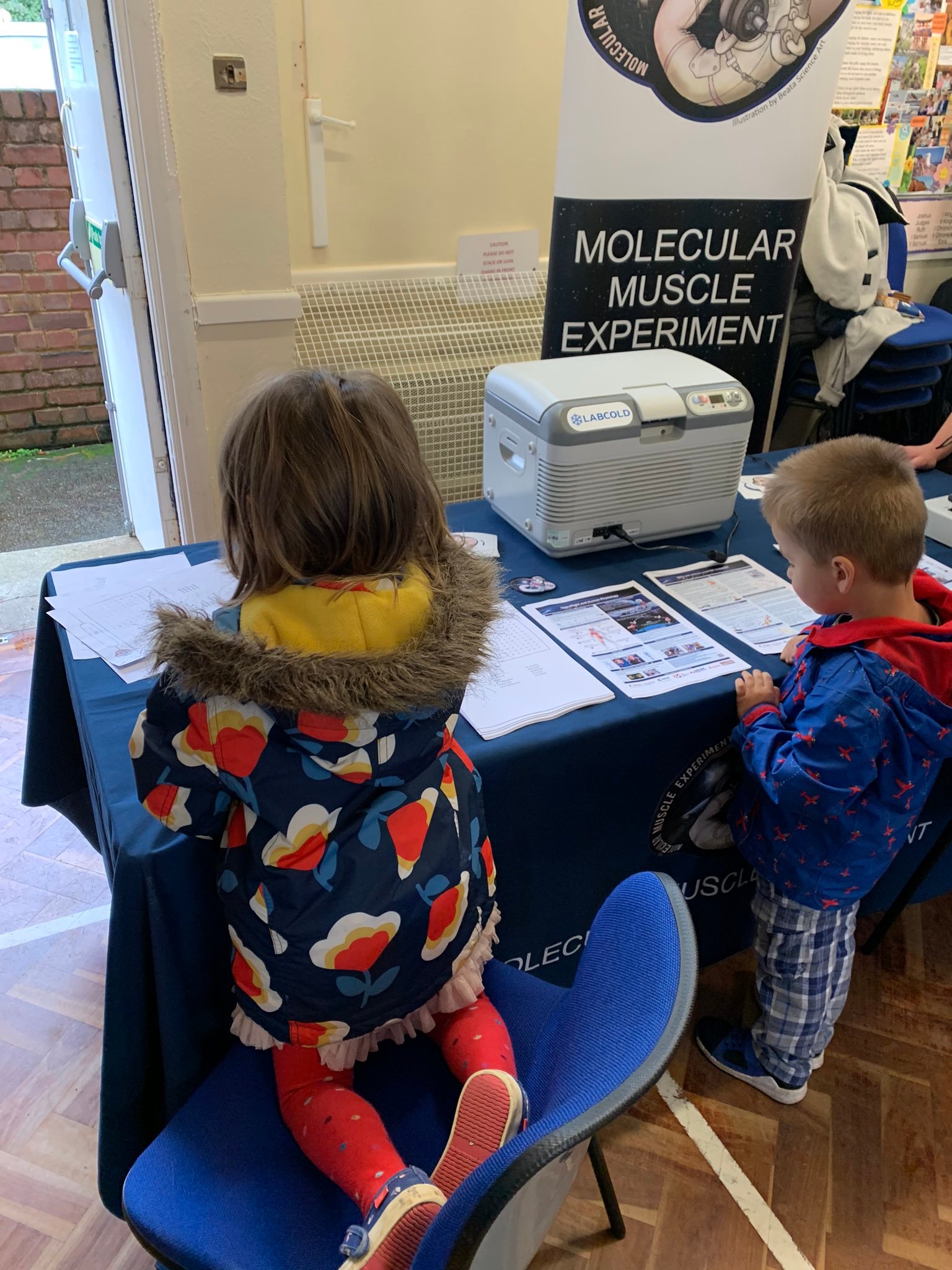
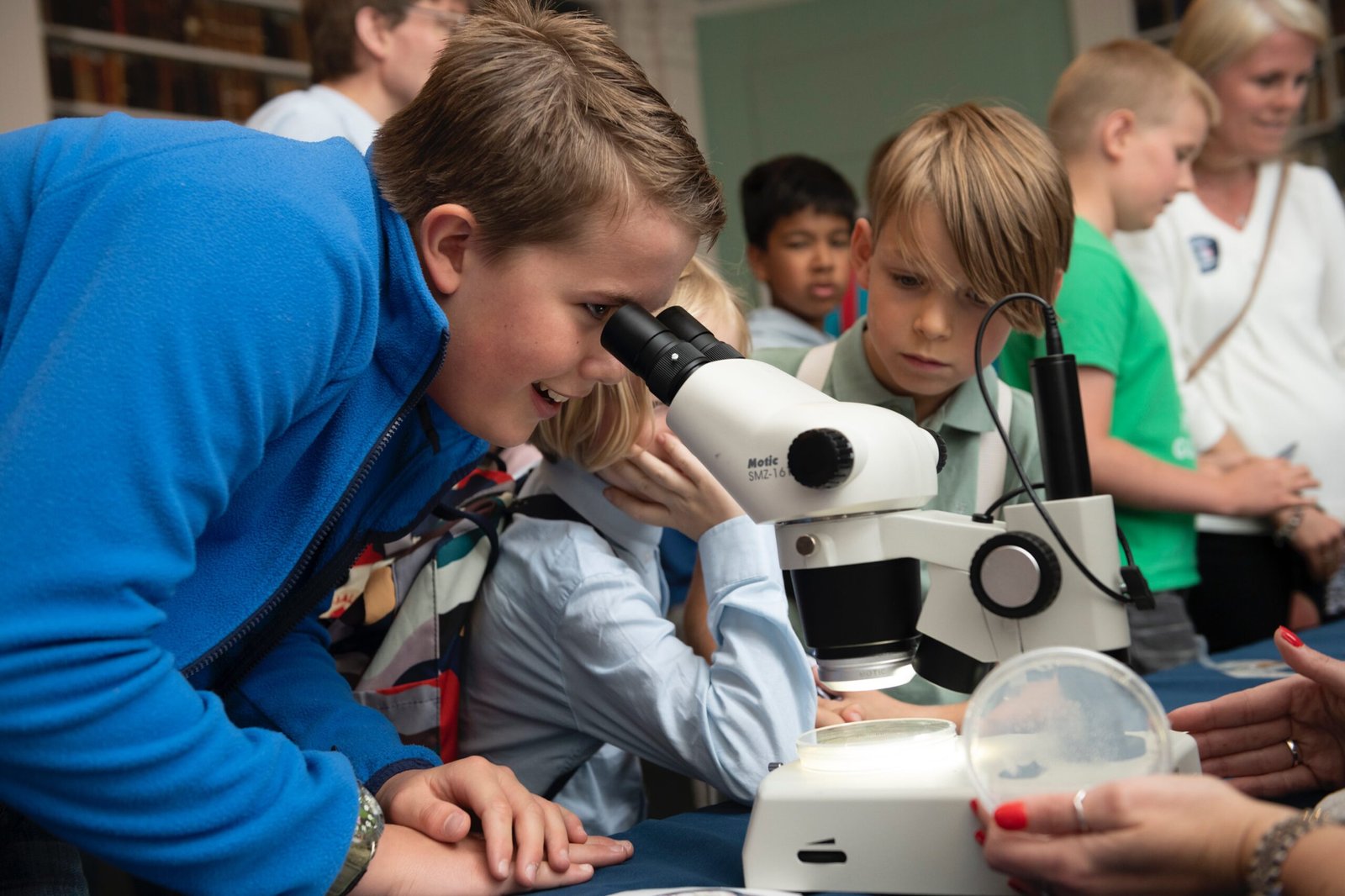
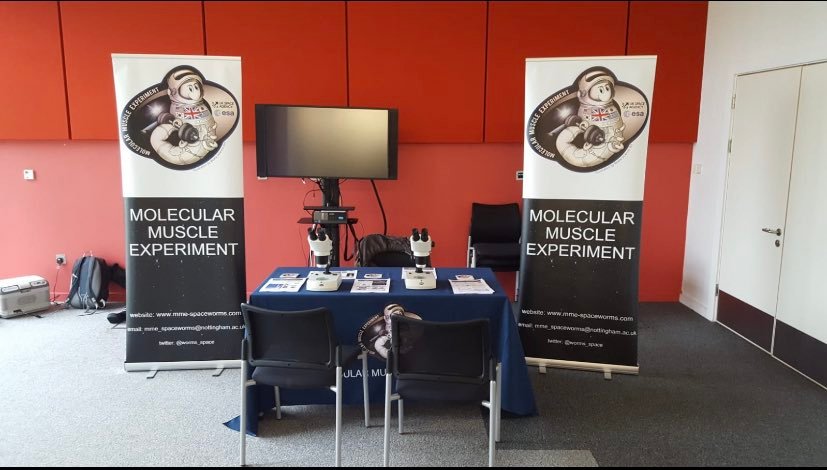
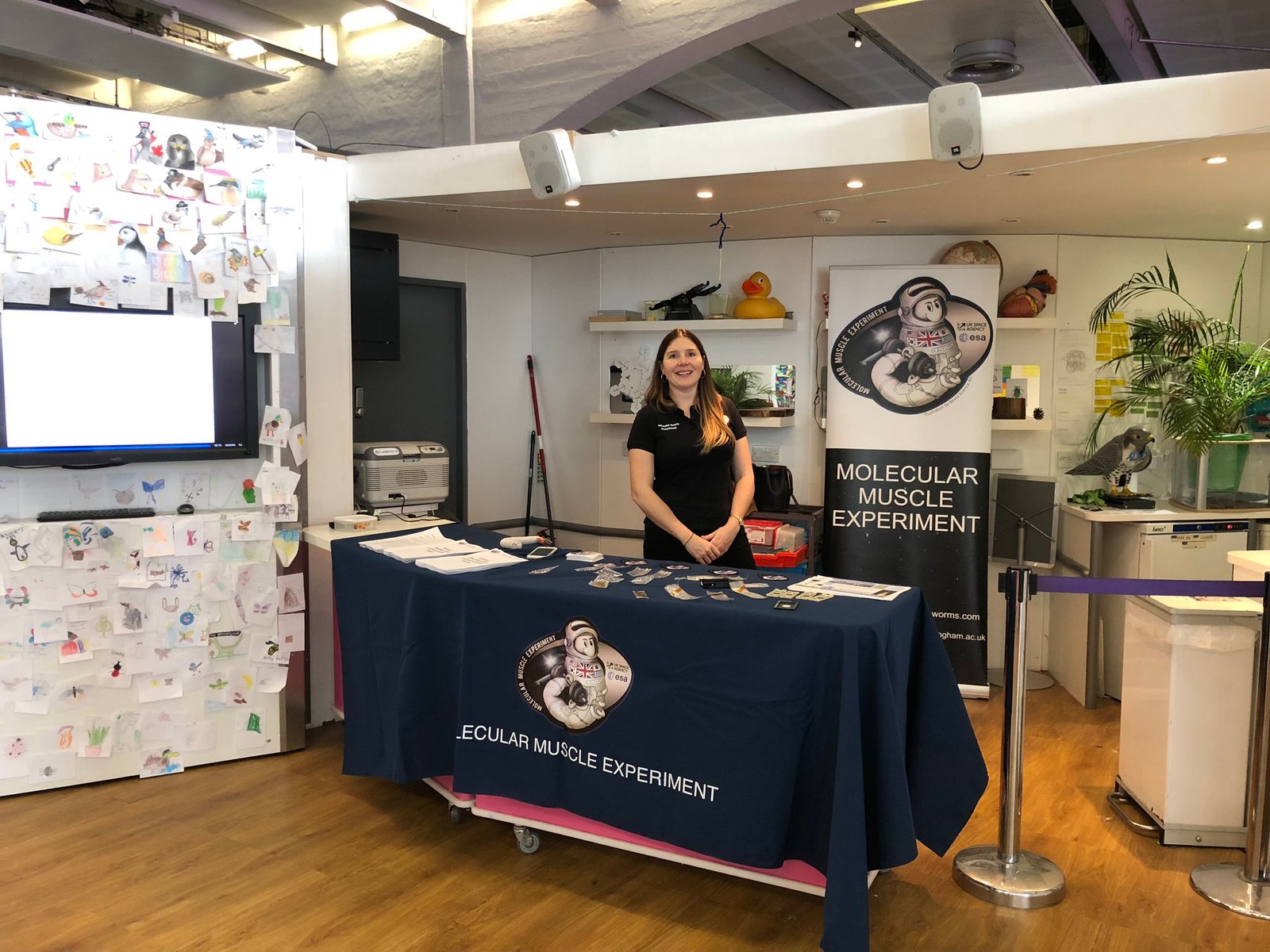
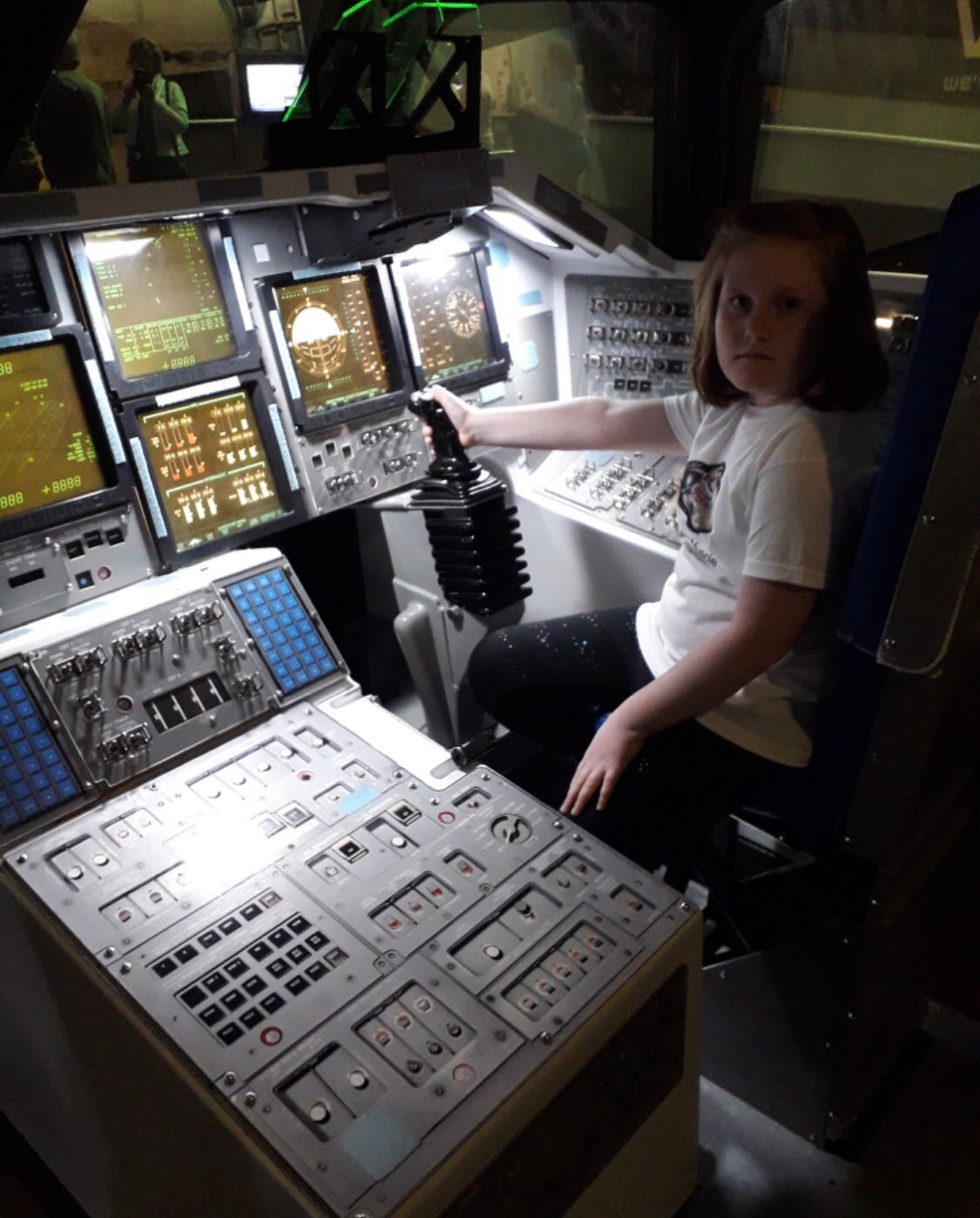
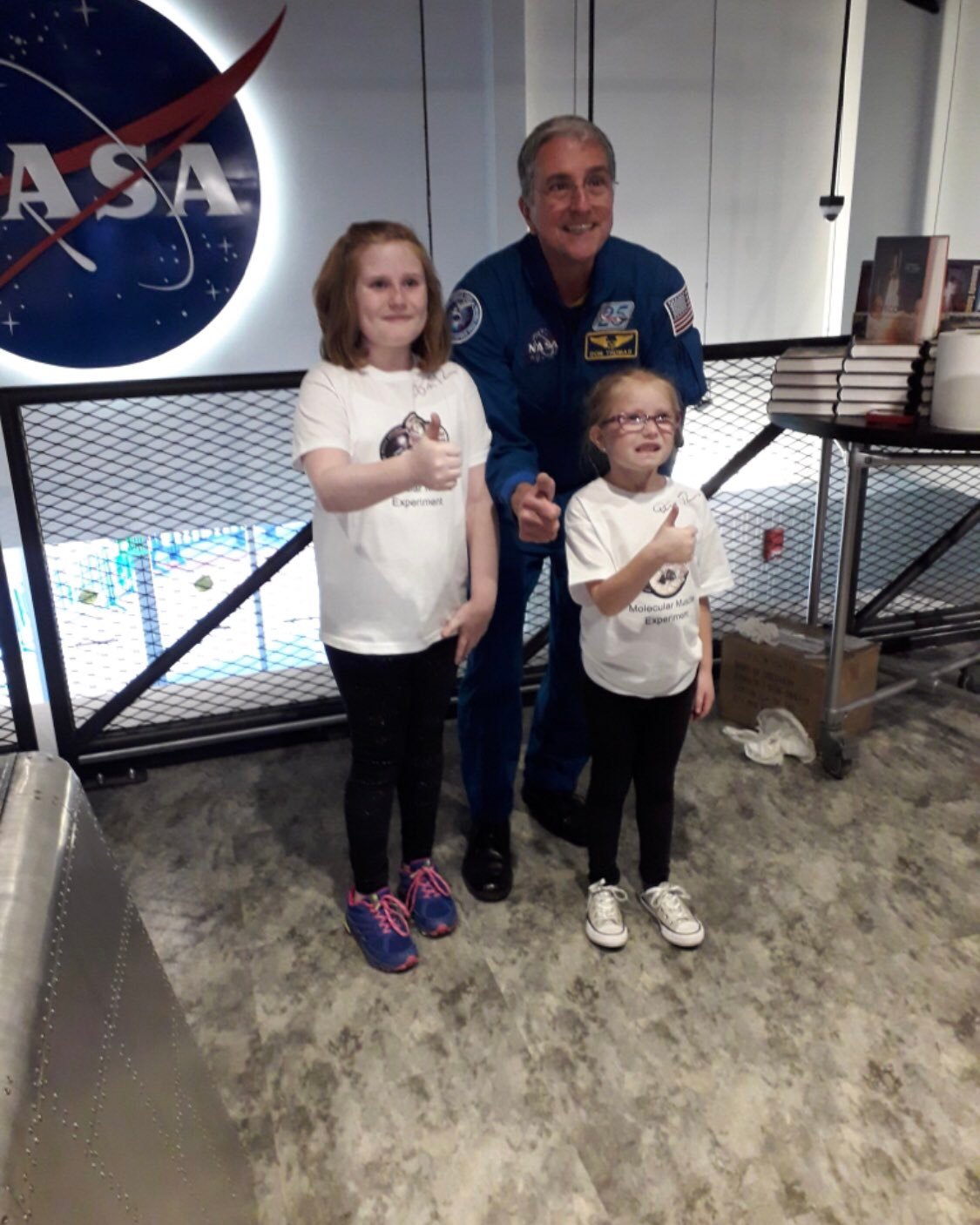
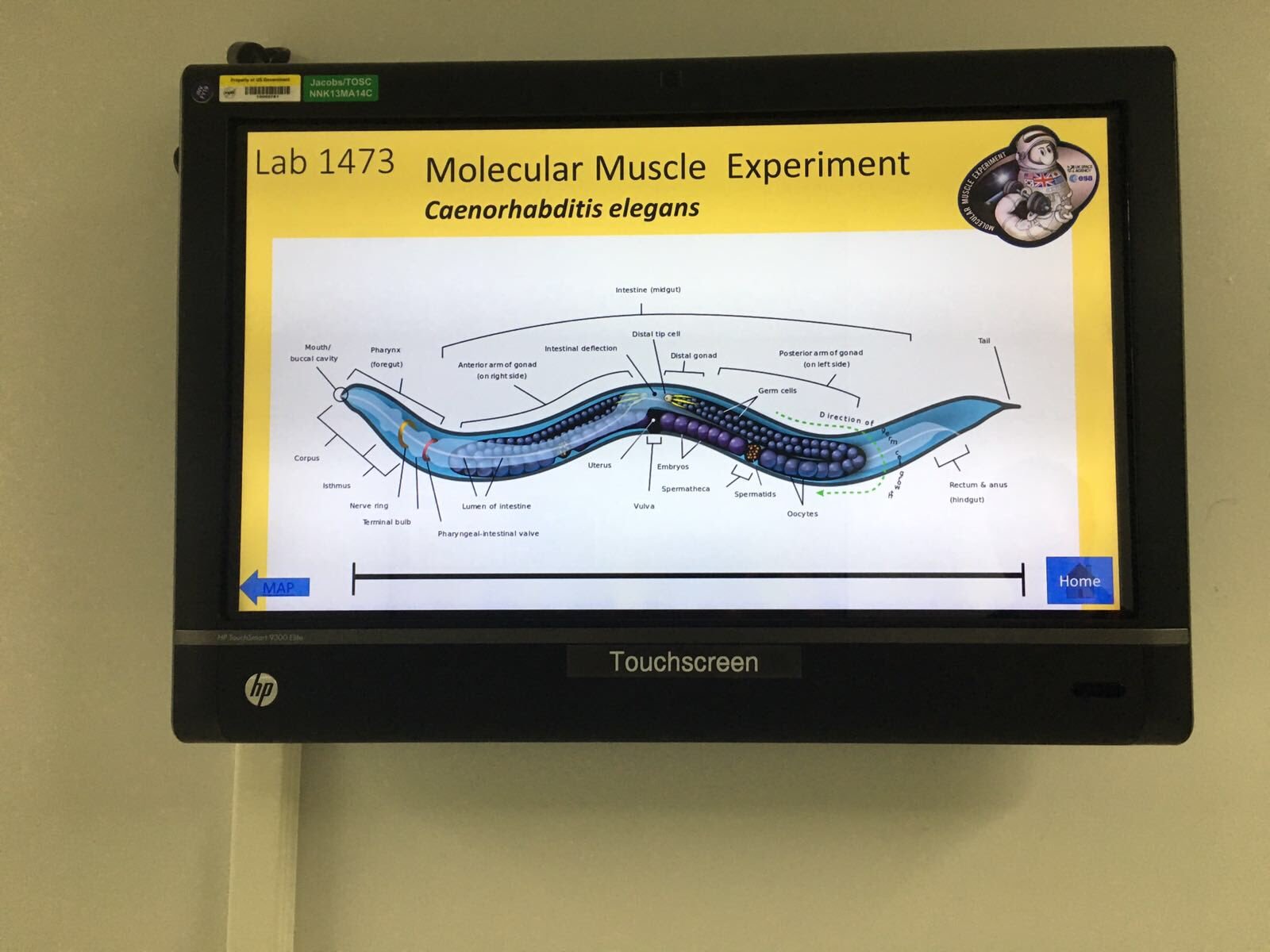
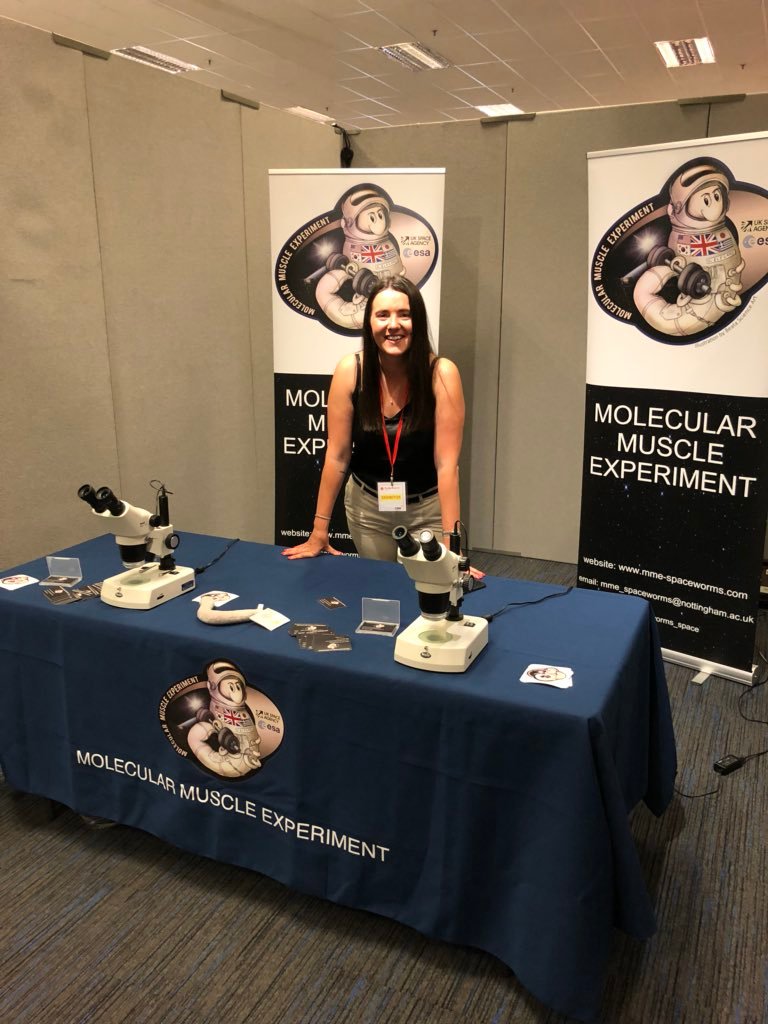
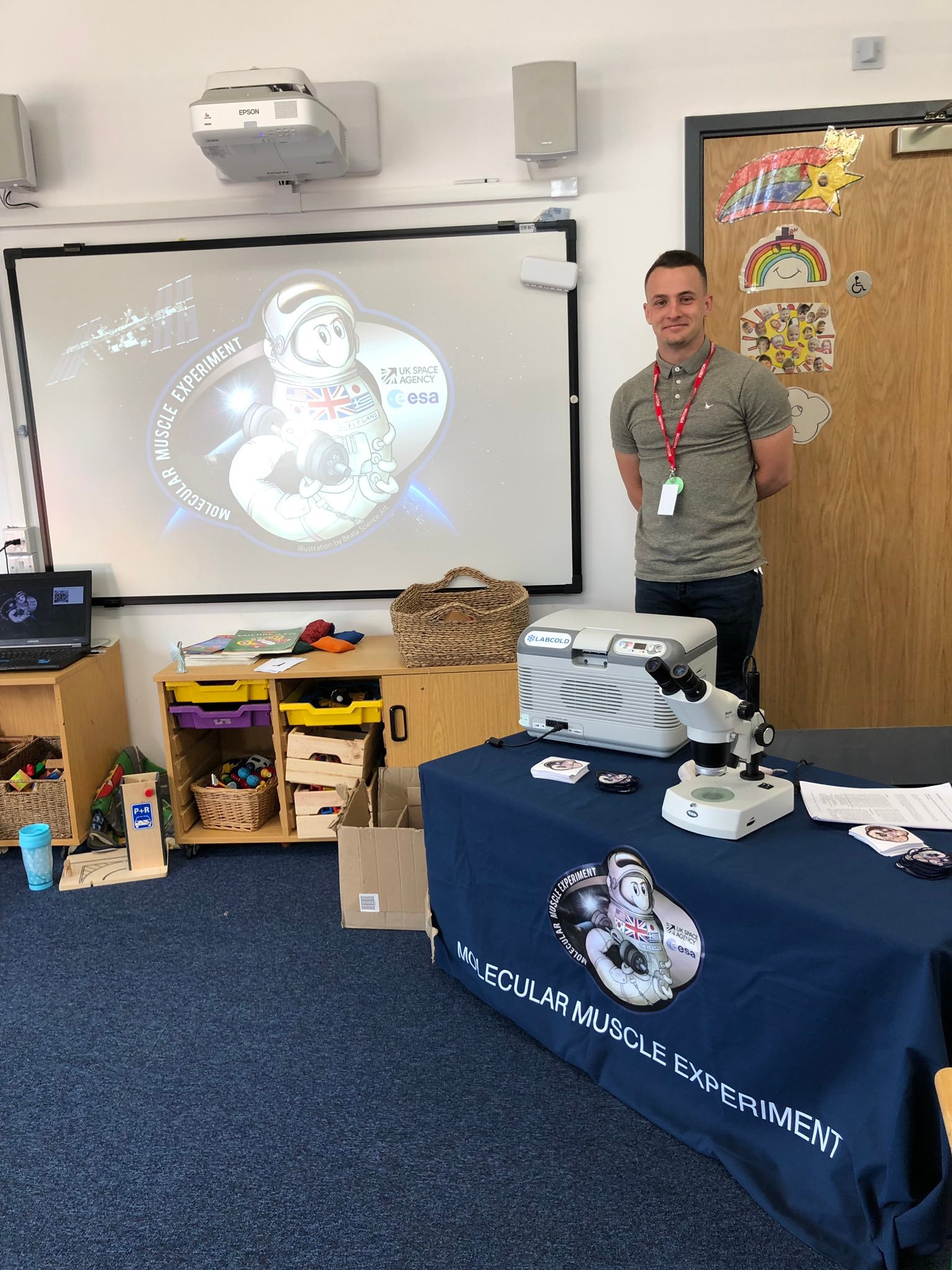
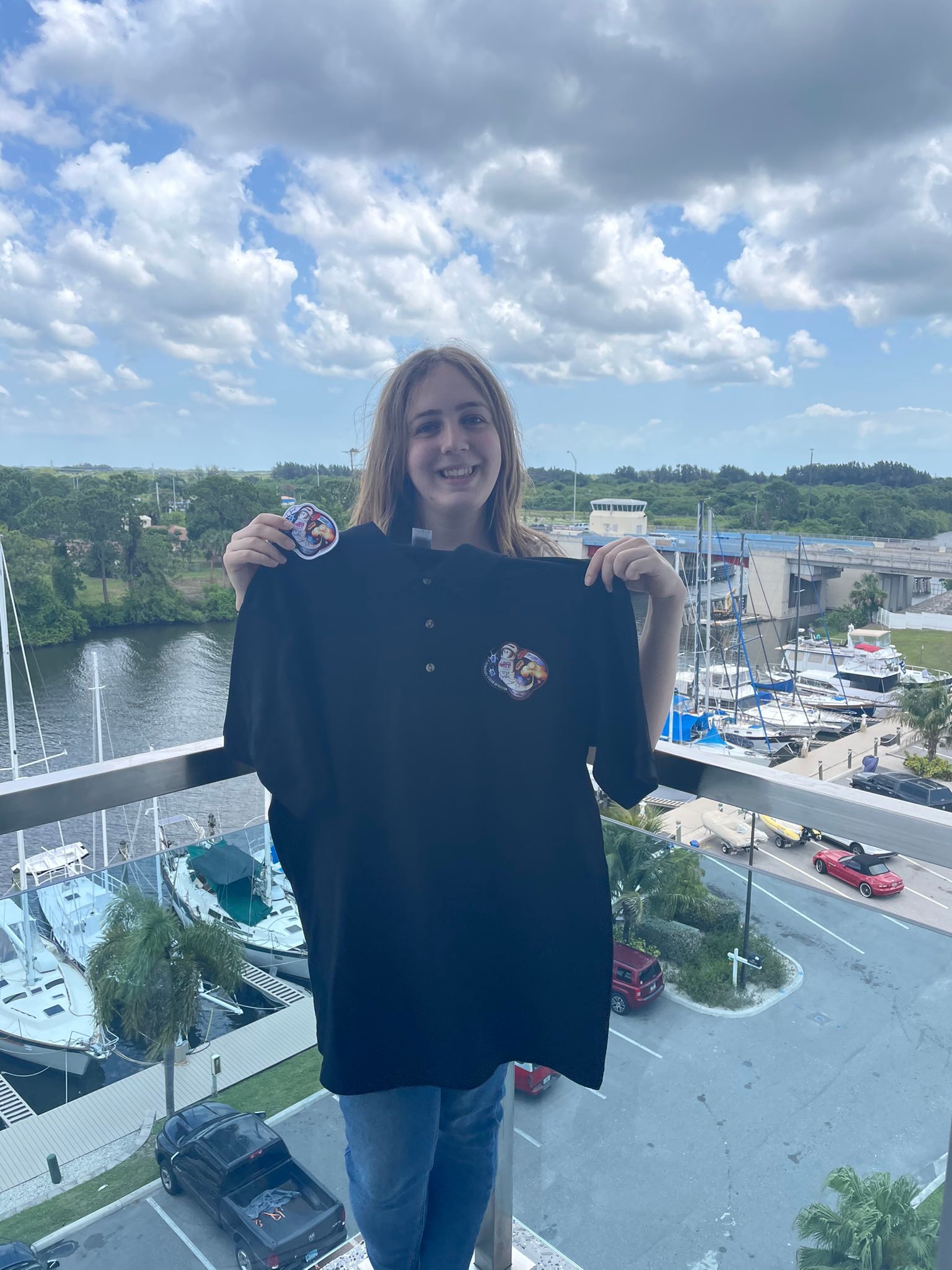
Image credit: Twitter @worms_space
Media features
Press
- New funding to support space exploration using Moon resources and nuclear power, GOV.UK (03/2023)
- Worms in space: Molecular Muscle Experiment 2, GOV.UK (06/2021)
- Worms in space—the molecular muscle experiment, Phys.org (09/2018)
- Thousands of Worms Are Launching Into Space Soon. You Know…for Science, Space.com (09/2018)
- We’re sending worms into space, CNET (09/2018)